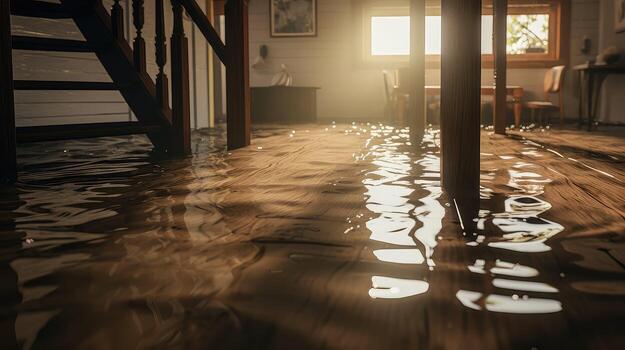
Water Damage Restoration Cost in Tampa, FL
Water damage restoration in Tampa, FL costs about $4,606 on average, with most homeowners spending between $1,962 and $7,250 depending on the water category, size of the affected area, and how fast it's addressed.
Last updated July 2026
$1,962–$7,250 per job (typical Tampa, FL range; metro average $4,606, with severe hurricane/flood jobs reaching $12,000+). Per square foot of affected area, mitigation runs $3–$7.50 depending on water category.
These are estimates, not a quote. Your actual cost depends on the factors below — always confirm with an itemized, written estimate before work begins.
What affects the cost
| Factor | Effect on cost |
|---|---|
| Water category (clean vs. gray vs. black) | The biggest single price driver. Category 1 clean water (burst supply line, rain) runs about $3.50/sq ft; Category 2 gray water (appliance/toilet overflow with detergents) about $5.25/sq ft; Category 3 black water (sewage backup, river flood, storm surge) about $7.50/sq ft and often forces replacement of porous materials. Hurricane flooding in Tampa is usually black water. |
| Class / extent of saturation | Pros also rate damage by class. Class 1 (minor, one small area) runs ~$150–$400; Class 2 (a full room, walls wet up to ~1 ft) ~$500–$1,000; Class 3 (ceilings, walls, subfloor, insulation saturated) ~$1,000–$3,000; Class 4 (long-standing water in hardwood/brick/stone, e.g. storm surge) ~$20,000–$100,000. |
| Square footage of the affected area | Most pros price by area or by the job. At $3–$7.50/sq ft for mitigation, a single wet room costs far less than multiple flooded rooms or a whole ground floor — a common scenario after a Tampa hurricane or heavy-rain event. |
| What part of the home is damaged | Repair costs vary by component: drywall $300–$850, ceiling $450–$1,600, flooring $200–$3,000, roof $400–$2,000, plumbing $350–$4,000, appliances $175–$500. Structural and multi-room damage costs far more than a single fixture. |
| Mold remediation (high risk in Tampa's humidity) | Adds roughly $1,200–$3,800 (national average around $2,225). Mold can begin growing 24–48 hours after water exposure, and Tampa's year-round heat and humidity accelerate it, so secondary mold is a frequent add-on cost if drying is delayed. |
| Speed of response | Acting within 24–48 hours limits how far water wicks into drywall, subfloor, and framing and heads off mold, keeping the job in cheaper mitigation territory rather than full reconstruction. Delay is one of the most expensive mistakes a homeowner can make. |
| Mitigation/drying vs. full restoration & rebuild | Water extraction and structural drying (the emergency mitigation phase) is only the first bill. Rebuilding — replacing drywall, flooring, cabinets, insulation — is a separate, often larger cost. A 120-sq-ft bathroom alone can reach $3,000 to clean and repair. |
| Source of the water | A leaky faucet or toilet ($140–$400) is cheap; a burst pipe and its damage runs $1,000–$4,000; basement/standing-water and sewage jobs scale to $2,800+ and well beyond. Hurricane and flood sources tend to be the most expensive because they combine black water with large saturated areas. |
| Labor and emergency/after-hours service | Tampa water-damage labor runs about $70–$200 per hour. Emergencies — a flooded home at 2 a.m. during a storm — often carry premium or after-hours rates, and demand spikes (and prices firm up) area-wide in the days after a named storm. |
| Equipment and severity of drying needed | Commercial air movers, dehumidifiers, and multi-day moisture monitoring add to cost. A home can take roughly five days to dry; deeper saturation needs more equipment running longer, increasing both labor and rental line items. |
| Additional trades required | Big jobs pull in other pros: plumber $180–$480, drywaller $690–$2,200, roofer $470–$1,610, flooring pro $500–$3,000, basement/structural pro $2,000–$7,000, mold specialist $1,350–$3,780. Each trade is a separate cost layer beyond the restoration crew. |
| Permits and reconstruction scope | Work involving demolition or structural changes requires a permit from the Tampa Construction Services Division; fees vary by project and are usually folded into the contractor's quote. Larger rebuilds carry more permitting and inspection overhead. |
How we estimate
These figures combine current published cost data from Angi and HomeAdvisor (2025–2026) — including Angi's Tampa, FL metro page ($4,606 average; $1,962–$7,250 typical) and national per-square-foot and per-category figures — plus FEMA/NFIP flood references. Estimates assume professional mitigation (water extraction + structural drying) plus typical repairs; they do NOT include high-value contents replacement, large-scale reconstruction, or whole-home Class 4 flood losses, which can run $20,000–$100,000+. A real quote is built per square foot of affected area times a rate set by the water category a licensed pro assigns (clean ~$3.50, gray ~$5.25, black ~$7.50/sq ft), plus itemized repair of each damaged component, plus any mold remediation. Florida insurance context matters: a standard homeowners policy may cover SUDDEN, ACCIDENTAL water damage (burst pipe, appliance failure) but excludes gradual leaks, neglect, and — critically — flooding. Flood damage (storm surge, rising water, the dominant Tampa risk) requires a SEPARATE flood policy, typically through the NFIP, averaging about $938/year in Florida. To get an accurate itemized quote: call a licensed restoration company for an on-site moisture assessment, get the water category and class in writing, request a line-item estimate separating mitigation from rebuild, photograph everything for your claim, and confirm with your insurer which portions are covered before work begins. Always collect 2–3 quotes for non-emergency scopes.
Sources
- Angi — Water Damage Restoration Cost in Tampa, FL [2026 Data] (Tampa average $4,606; $1,962–$7,250; labor $70–$200/hr; FL insurance context)
- Angi — How Much Does Water Damage Restoration Cost? [2026 Data] (national average, per-sq-ft by category, by-component costs)
- HomeAdvisor — How Much Does Water Damage Restoration Cost? [2026 Data] (categories, classes, mold, basement, burst-pipe costs)
- NerdWallet — Flood Insurance in Florida: 2026 Costs and Coverage (avg NFIP ~$938/yr in FL)
- FEMA FloodSmart — The Real Cost of Flooding (one inch of water can cause major damage)
- FEMA — Cost of Flood Insurance for Single-Family Homes under NFIP Risk Rating 2.0
- U.S. EPA — Flooding (contaminated floodwater health risk and cleanup)
Frequently asked questions
How much does water damage restoration cost in Tampa, FL?
In Tampa, water damage restoration costs about $4,606 on average, with most homeowners spending between $1,962 and $7,250. Smaller, single-room clean-water jobs can come in around $800, while severe hurricane or flood damage affecting multiple rooms can exceed $12,000. The final price depends mostly on the water category (clean, gray, or black), the square footage affected, which parts of the home are damaged, and how quickly the work begins. Tampa skews higher than the national average because heavy rainfall, hurricanes, storm surge, and high humidity drive both more flood-type (black water) damage and faster secondary mold growth.
How is the cost broken down by water category (clean, gray, black)?
Restoration pros classify water into three categories that strongly affect price. Category 1 (clean water) — from a burst supply line, rain, or a leaky faucet — is cheapest to dry at about $3.50 per square foot. Category 2 (gray water) — from appliance overflows, washing machines, or toilet overflow containing detergents — runs about $5.25 per square foot because it carries contaminants. Category 3 (black water) — from sewage backups, septic failures, river flooding, or hurricane storm surge — is the most expensive at about $7.50 per square foot, and it often requires replacing (not just drying) porous items like carpet, drywall, and furniture because of bacteria and health hazards. In Tampa, flooding from storms is usually black water, which is why local jobs trend toward the higher end.
Does homeowners insurance cover water damage in Florida?
It depends entirely on the cause. A standard Florida homeowners policy generally covers SUDDEN and ACCIDENTAL water damage — like a burst pipe, a water heater failure, or an overflowing appliance. It typically does NOT cover damage from gradual leaks, deferred maintenance, neglect, or general wear and tear. Most importantly, standard homeowners insurance excludes FLOODING — rising water, storm surge, and river overflow, which are the dominant water risks in Tampa. Flood damage requires a separate flood insurance policy, usually through the National Flood Insurance Program (NFIP), which averages about $938 per year in Florida. Before any repairs, document everything with photos, call your insurer, and have a licensed pro categorize the damage — many insurers won't accept a DIY assessment for a claim.
How long does it take to dry and restore a water-damaged home?
A water-damaged home takes roughly five days to dry, though it varies with the severity and the materials involved. The restoration happens in phases: emergency water extraction in the first 24–48 hours, structural drying and dehumidification over several days with moisture monitoring, and then repairs and rebuilding (replacing drywall, flooring, fixtures) that can take additional days to weeks — or months for extensive flood damage. Tampa's high humidity can lengthen the drying phase compared with drier climates, which is why pros run commercial dehumidifiers and air movers and monitor moisture levels rather than just relying on time.
Can I do water damage cleanup myself, or should I hire a pro?
You can handle a small, clean-water (Category 1) leak confined to one room yourself — extract the water quickly, increase ventilation, remove furniture, and dry the area within 24–48 hours to prevent mold. For anything larger, or any gray or black water, hire a licensed restoration pro. Gray and black water carry health risks, and only a licensed professional can properly assign the category and class your insurer needs for a claim. Pros also have commercial extraction, drying, and moisture-detection equipment to reach hidden water inside walls and subfloors that a shop vac can't, preventing the warping, rot, and mold that turn a cheap mitigation job into an expensive reconstruction. In humid, hurricane-exposed Tampa, an incomplete DIY dry-out is a common and costly mistake.
What's included in a water damage restoration estimate?
A complete estimate usually has two parts: mitigation and restoration/rebuild. Mitigation covers the emergency response — water extraction, structural drying, dehumidification, antimicrobial treatment, and moisture monitoring — typically priced per square foot of affected area by water category ($3–$7.50/sq ft). Restoration covers the repairs to put your home back together: drywall ($300–$850), ceilings ($450–$1,600), flooring ($200–$3,000), roofing ($400–$2,000), plumbing ($350–$4,000), and so on. Mold remediation ($1,200–$3,800) is often a separate line. Ask for a line-item quote that separates mitigation from rebuild, and confirm whether contents (furniture, belongings) and permits are included, since those are frequently billed separately.
What affects the price of water damage restoration the most?
The two biggest drivers are the water category and the extent (class) of saturation. Clean water at ~$3.50/sq ft versus black water at ~$7.50/sq ft can more than double the per-square-foot rate, and black water often forces replacement instead of drying. The class — how deeply water has penetrated — ranges from a minor Class 1 job ($150–$400) to a catastrophic Class 4 flood loss ($20,000–$100,000). After that, square footage, which components are damaged (structural vs. a single fixture), whether mold has set in, and how fast you responded matter most. In Tampa specifically, hurricane/flood exposure and humidity-driven mold tend to push jobs toward the upper end.
What should I do first when I discover water damage?
Act fast — the first 24–48 hours determine how much you'll pay and whether mold takes hold. First, stop the source: shut off the water supply if it's a plumbing failure, and turn off electricity to the affected area if it's safe to do so. Then prioritize safety — avoid contact with gray or black water, which carries health hazards. Document everything with photos and video for your insurance claim before you move or remove anything. Remove furniture, rugs, and valuables from the wet area, and increase ventilation by opening windows. Call a licensed restoration pro for an assessment, and contact your insurer to confirm coverage and get the damage professionally categorized. In Tampa, after a hurricane, call early — demand for restoration crews spikes fast.
How do I choose a water damage restoration company in Tampa?
Look for a licensed, insured company with industry certification (IICRC-certified technicians are the standard for water and mold work). Confirm they offer 24/7 emergency response — critical during hurricane season — and that they can document the water category and class in writing for your insurance claim. Ask for a detailed, itemized estimate that separates mitigation from rebuild, check recent local reviews, and verify they carry their own liability insurance. For mold work in Florida, verify the company or its assessor/remediator holds the appropriate Florida DBPR mold license (Chapter 468, Part XVI), since mold assessment and remediation are state-regulated. Get two or three quotes for non-emergency jobs, and be wary of anyone who pressures you to sign an open-ended 'assignment of benefits' before your insurer has weighed in.
Why is mold such a big risk after water damage in Tampa?
Mold can begin growing within 24–48 hours of water exposure, and Tampa's year-round heat and high humidity accelerate it dramatically compared with drier climates. That makes secondary mold one of the most common and avoidable cost add-ons after a water event — typically $1,200–$3,800 to remediate, on top of the original restoration. Mold also poses health risks (especially after gray or black water) and can damage hidden structure inside walls and subfloors. The defense is speed: thorough professional drying and dehumidification within the first two days, with moisture monitoring to confirm materials are fully dry rather than just surface-dry. A musty odor, water stains, or peeling paint weeks later are signs mold may already be growing behind the walls.
Does the cost change after a hurricane or major flood event?
Yes. After a named storm hits the Tampa Bay area, two things happen. First, the damage itself tends to be more expensive — storm surge and flooding bring black water and Class 3–4 saturation that often require gutting and rebuilding rather than simple drying. Second, area-wide demand for restoration crews surges, so response times lengthen and pricing firms up. Just one inch of floodwater in an average home can cause roughly $25,000 in damage, and most of that flood damage is NOT covered by standard homeowners insurance — only by a separate flood policy. The practical takeaways: carry flood insurance before hurricane season, call a restoration company as early as possible after an event, and document everything for both your homeowners and flood claims.
Get an exact price for your water damage restoration job
Compare vetted water damage restoration companies in Tampa, or request a free quote and we'll match you with pros who can give you an itemized estimate.